A $90,000 Lesson in Ignoring Payload Limits
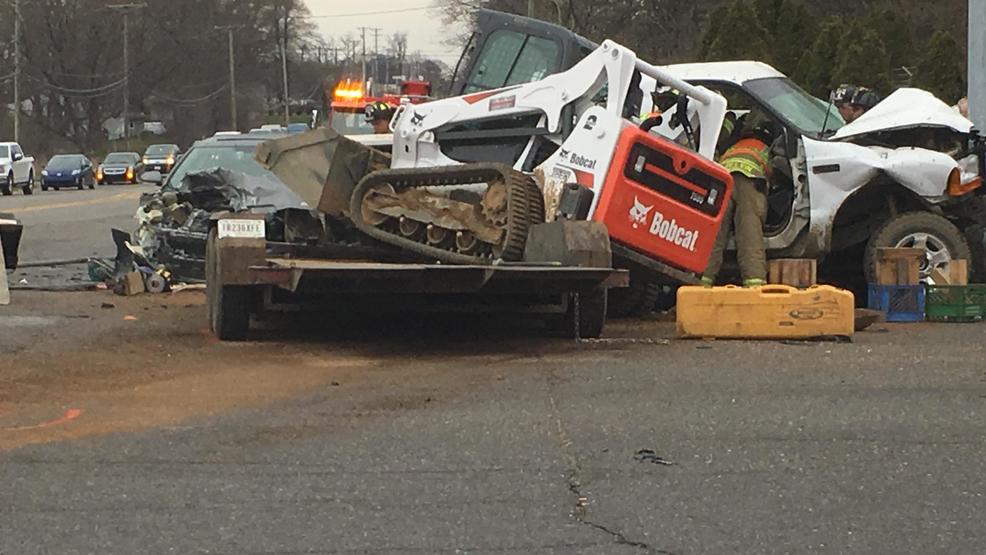
At Trailer Rental ABQ, we’ve seen firsthand how one bad decision can turn a routine haul into a costly disaster. This is a real-world lesson that underscores why payload capacity isn’t just a number on a sticker—it’s a hard safety limit.
A $90,000 Lesson in Ignoring Payload Limits
A customer recently rented a trailer with a maximum payload capacity of 10,000 lbs. His plan? Transport a tractor that weighed approximately 13,000 lbs.
Right there, the math didn’t work.
The trailer had clearly labeled weight limits. The capacity was explained at pickup. But instead of choosing a heavier-duty trailer, he decided to load the tractor anyway—exceeding the trailer’s capacity by 3,000 lbs.
What Happened Next
Shortly after getting on the road, things went wrong—fast.
- Two trailer tires blew out under the excessive load
- A leaf spring failed, unable to handle the stress
- The trailer became unstable and uncontrollable
Within minutes, the situation escalated into a full-blown incident. The result:
- A completely destroyed trailer valued at around $10,000
- Severe damage to his $80,000 truck
- A dangerous situation that could have easily involved other drivers
The Hidden Cost: Insurance Denial
Here’s where the lesson gets even more expensive.
Because the customer knowingly overloaded the trailer—ignoring both the posted weight limits and verbal guidance—his insurance company denied the claim. From their perspective, the damage was the direct result of negligence.
That means:
- No coverage for the truck
- No coverage for the trailer
- Full out-of-pocket responsibility for tens of thousands in damages
Why This Happens
Trailers are engineered with specific limits based on axles, suspension, tires, and frame strength. When you exceed those limits:
- Tires overheat and fail
- Suspension components (like springs) break
- Structural integrity is compromised
- Control and braking are severely reduced
This isn’t theoretical—it’s exactly what happened.
The Smarter (and Cheaper) Choice
In this case, the customer could have rented a properly rated trailer for a bit more money. Instead, trying to save on rental cost led to a loss that was hundreds of times greater.
Choosing the right trailer means:
- Matching your load to the trailer’s actual payload capacity
- Leaving a safety margin (don’t run at the absolute max)
- Asking questions if you’re unsure
Final Thoughts
Overloading a trailer isn’t just risky—it’s expensive, preventable, and completely avoidable. This customer’s experience is a tough reminder that ignoring weight limits can cost far more than upgrading to the right equipment.
At Trailer Rental ABQ, we’re here to help you get the job done safely. If your load requires a heavier-duty trailer, we’ll point you in the right direction every time—because no amount of savings is worth risking your equipment, your safety, or your financial future.
Share This:
Latest Post
-
 What Can You Haul in a Dump Trailer?
 -
A $90,000 Lesson in Ignoring Payload Limits
-
 Dangers of OverLoading a Trailer
 -
 The Perfect Fit for Albuquerque Roads: Trailer Rental ABQ’s Custom 6x14 Cargo Trailer
 -
 Trailer Rental ABQ’s Blue 8x20 14K Car Hauler with Drive-Over Fenders
 -
 Renting a 6x14 Cargo Trailer with Barn Doors