Dangers of OverLoading a Trailer
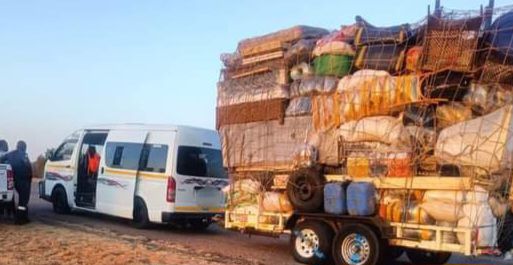
If you’re renting a trailer in Albuquerque, it can be tempting to grab the cheapest option and load it up to “make it work.” But when it comes to hauling, cutting corners on payload capacity is one of the most dangerous and costly mistakes you can make. At Trailer Rental ABQ, we see it all the time—and we’d much rather help you choose the right trailer upfront than deal with the consequences later.
Why Payload Capacity Matters More Than Price
Every trailer has a maximum payload capacity—the total weight it can safely carry. This isn’t a flexible guideline. It’s based on the engineering limits of the frame, axles, suspension, tires, and braking system.
Choosing a smaller, cheaper trailer and overloading it might save you a few dollars on the rental—but it can cost you thousands in damage, liability, or worse.
The Real Dangers of Overloading a Trailer
Loss of Control on the Road
An overloaded trailer doesn’t just feel different—it behaves unpredictably. You may experience trailer sway, fishtailing, or sluggish steering response. On highways like I-40 or I-25, that’s a serious hazard not just for you, but for everyone around you.
Longer Stopping Distances (or No Stopping at All)
Your tow vehicle and trailer brakes are only designed for a certain load. Exceed that, and your stopping distance increases dramatically. In extreme cases, brakes can overheat and fail completely—especially during downhill driving or stop-and-go traffic.
Tire Blowouts
Too much weight equals too much pressure. Overloaded trailer tires can overheat and blow out without warning—particularly during hot New Mexico summers. A blowout at highway speed can instantly turn into a loss-of-control situation.
Structural Damage to the Trailer
Overloading puts stress on every component: axles bend, frames flex, and suspensions wear out prematurely. Even if nothing breaks immediately, you’re setting yourself up for failure down the road.
Hitch and Coupler Failure
Your hitch system is the only thing connecting your trailer to your vehicle. Exceeding weight limits increases the risk of detachment—one of the most dangerous scenarios imaginable.
Legal and Insurance Risks
If you’re in an accident while operating an overloaded trailer, you could be held liable—even if the accident wasn’t entirely your fault. Insurance claims can be denied, and fines or lawsuits may follow.
Why Renting the Right Trailer Is the Smart Move
At Trailer Rental ABQ, we always recommend choosing a trailer that comfortably exceeds your expected load—not one that barely meets it.
Yes, a higher-capacity trailer might cost a little more upfront. But here’s what you’re really paying for:
- Safety for you, your cargo, and everyone on the road
- Better handling and braking performance
- Reduced stress on your tow vehicle
- Peace of mind knowing you’re operating within safe limits
In most cases, the price difference between trailer sizes is small compared to the risks of overloading.
How to Choose the Right Trailer
- Know your load weight (estimate high, not low)
- Check the trailer’s GVWR and payload capacity
- Factor in everything—equipment, materials, tools, and even tie-downs
- When in doubt, go bigger
If you’re unsure, ask. We’d rather help you get it right than see you struggle with the wrong setup.
Final Thoughts
Overloading a trailer isn’t just a minor mistake—it’s a serious safety issue that can lead to accidents, equipment failure, and costly consequences. Choosing the right trailer with the proper payload capacity—even if it costs a bit more—is always the smarter, safer decision.
At Trailer Rental ABQ, we’re here to make sure you get the right trailer for the job—so you can haul with confidence and get the job done safely the first time.
Share This:
Latest Post
-
 What Can You Haul in a Dump Trailer?
 -
 A $90,000 Lesson in Ignoring Payload Limits
 -
Dangers of OverLoading a Trailer
-
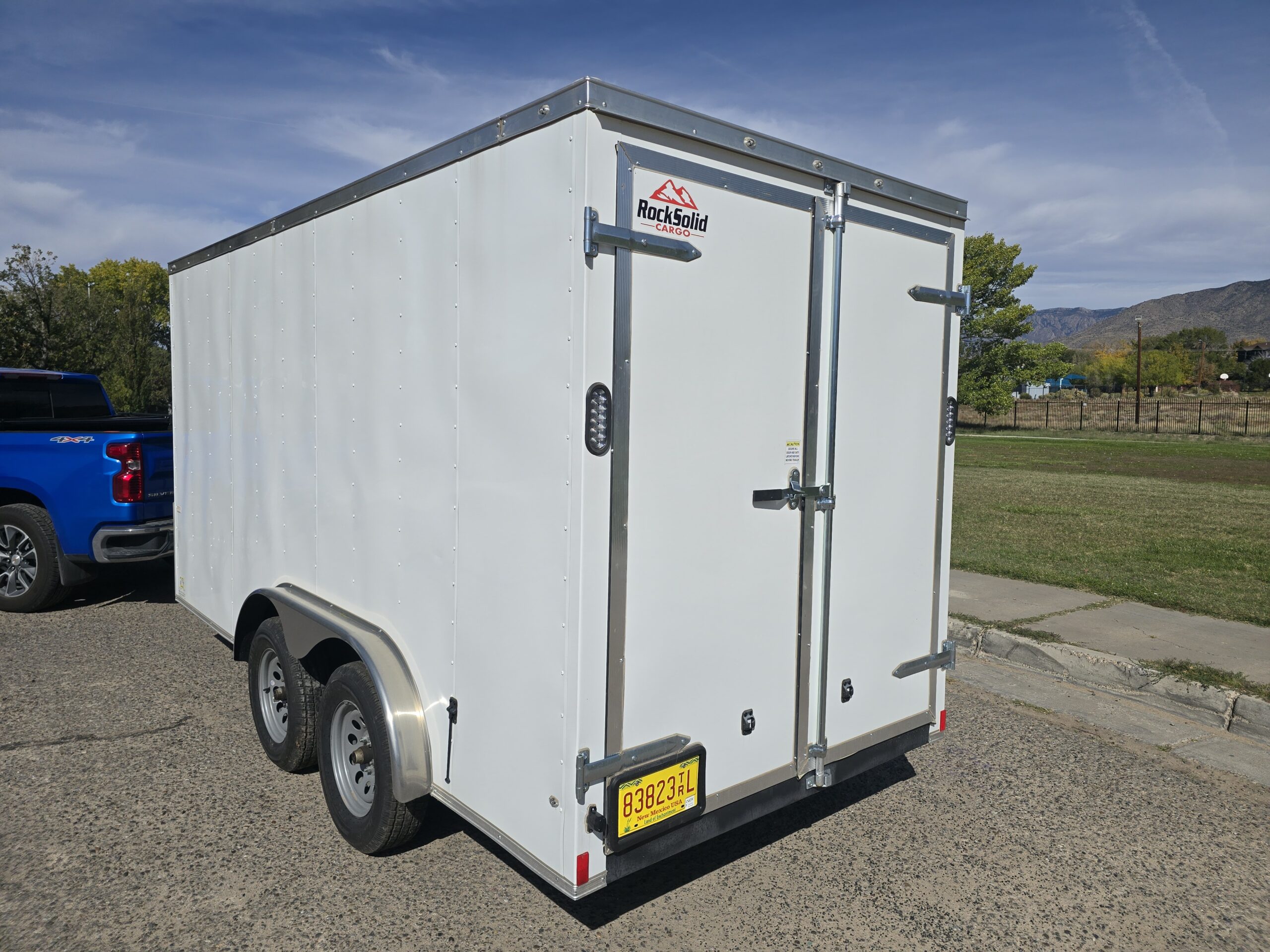 The Perfect Fit for Albuquerque Roads: Trailer Rental ABQ’s Custom 6x14 Cargo Trailer
 -
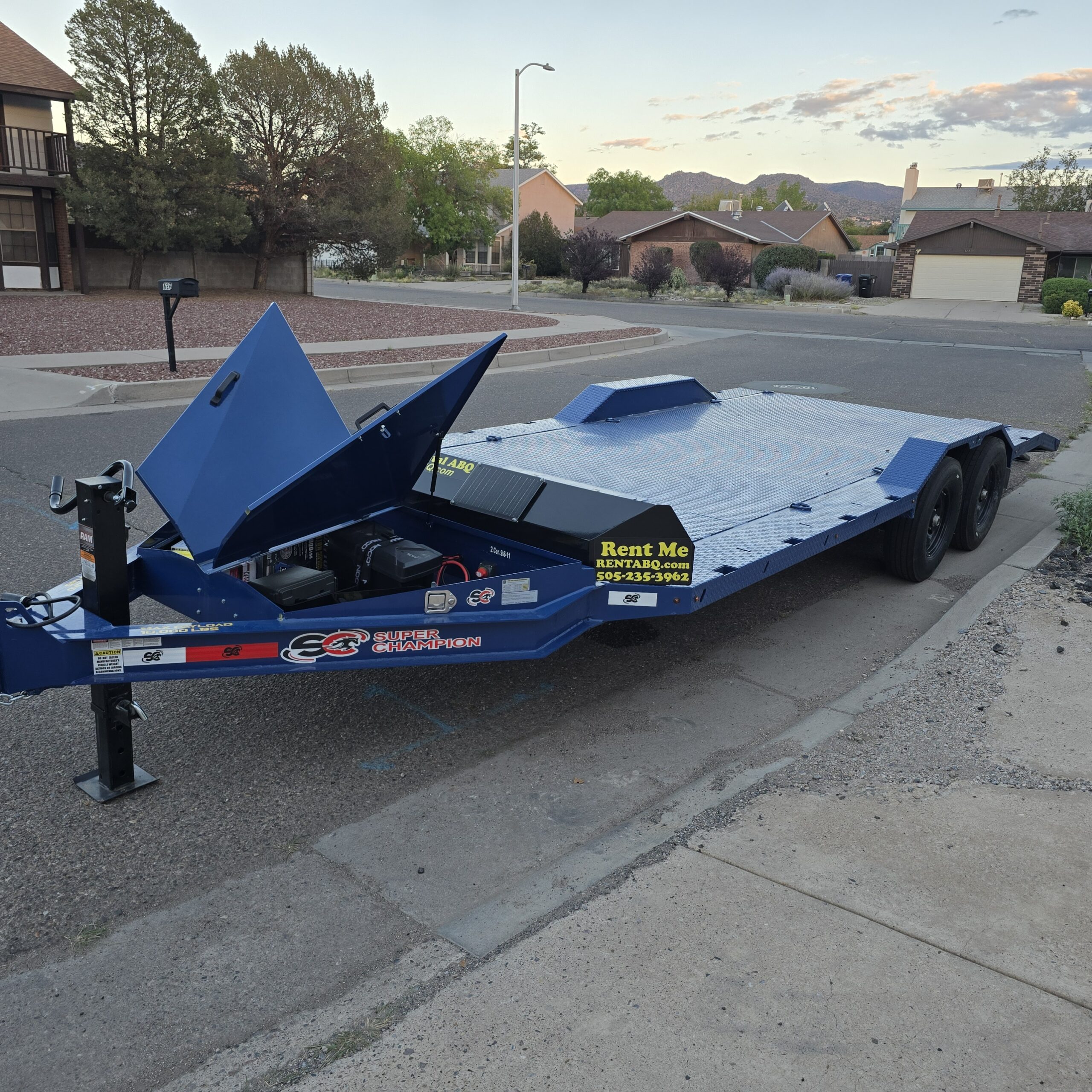 Trailer Rental ABQ’s Blue 8x20 14K Car Hauler with Drive-Over Fenders
 -
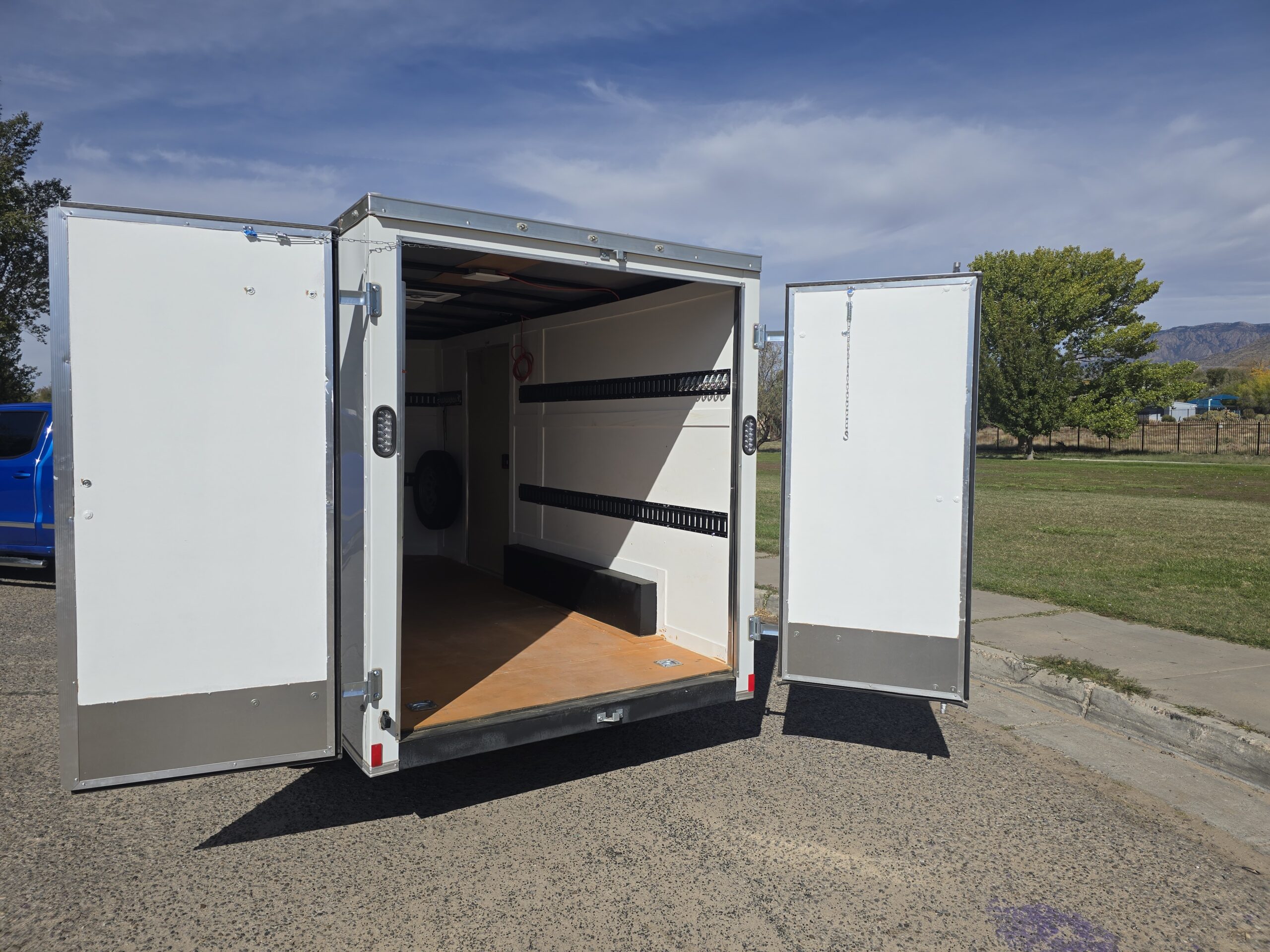 Renting a 6x14 Cargo Trailer with Barn Doors